


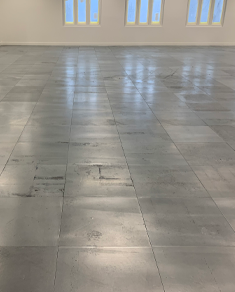



Data centres are among the most environmentally demanding buildings being designed today.
The specification of data centres demands careful consideration of performance, constructability, and, now more than ever, environmental impact. For architects, engineers, sustainability consultants, contractors and procurement teams, that means looking beyond broad sustainability claims and understanding the evidence behind a product’s environmental performance. Life cycle assessments (LCAs), environmental product declarations (EPDs) and other forms of environmental evidence provide project teams with credible information to assess design options and support project-level carbon decisions.
Moving Beyond Broad Environmental Claims
Simply put, an LCA is the assessment; an EPD is the report. An LCA examines the environmental impacts associated with a product across defined stages of its life. An EPD communicates environmental information about that product in a standardised, independently verified document. That distinction matters because credible environmental specification depends on evidence, not claims.
Terms such as 'sustainable', 'low carbon' or 'environmentally friendly' may sound compelling, but on their own they tell a specifier relatively little about how a product’s environmental impact has been assessed. An EPD gives project teams quantified information they can examine as part of the specification process.
At Tate, this transparency is central to our approach. We publish product-specific EPDs verified by third parties, giving customers access to validated environmental data that can help them measure and reduce the embodied carbon of their projects. Evidence that can be scrutinised proves much more useful than broad environmental statements, and is particularly important when comparing products like for like. Environmental figures need context, and a headline carbon number should not be considered in isolation. Understanding what has been assessed and ensuring information is being considered on an appropriate basis gives project teams greater confidence in the conclusions they draw.
Supporting Evidence-Led Data-Centre Design
Product-level environmental information can also support the wider sustainability ambitions of a data-centre project, including projects pursuing LEED or BREEAM certification. Here, precision is important. An EPD does not, by itself, make a building sustainable or guarantee LEED or BREEAM credits, but relevant product documentation can form part of the evidence used by project teams to demonstrate that applicable criteria have been satisfied.
At Tate, we share the documentation required to give project teams confidence in their specification decisions. For us and for our customers, the power of environmental evidence is in empowering project stakeholders to make informed choices and replace claims with evidence. As environmental considerations become increasingly important within data-centre projects, access to clear, credible product information gives specifiers a stronger basis on which to assess options and make the right decisions to support the environmental, technical and commercial demands of their projects.
Contact us to learn how Tate can support your data-centre sustainability goals with robust environmental and technical information to inform product selection and project specification.