




AI is changing the physical load profile of the data centre.
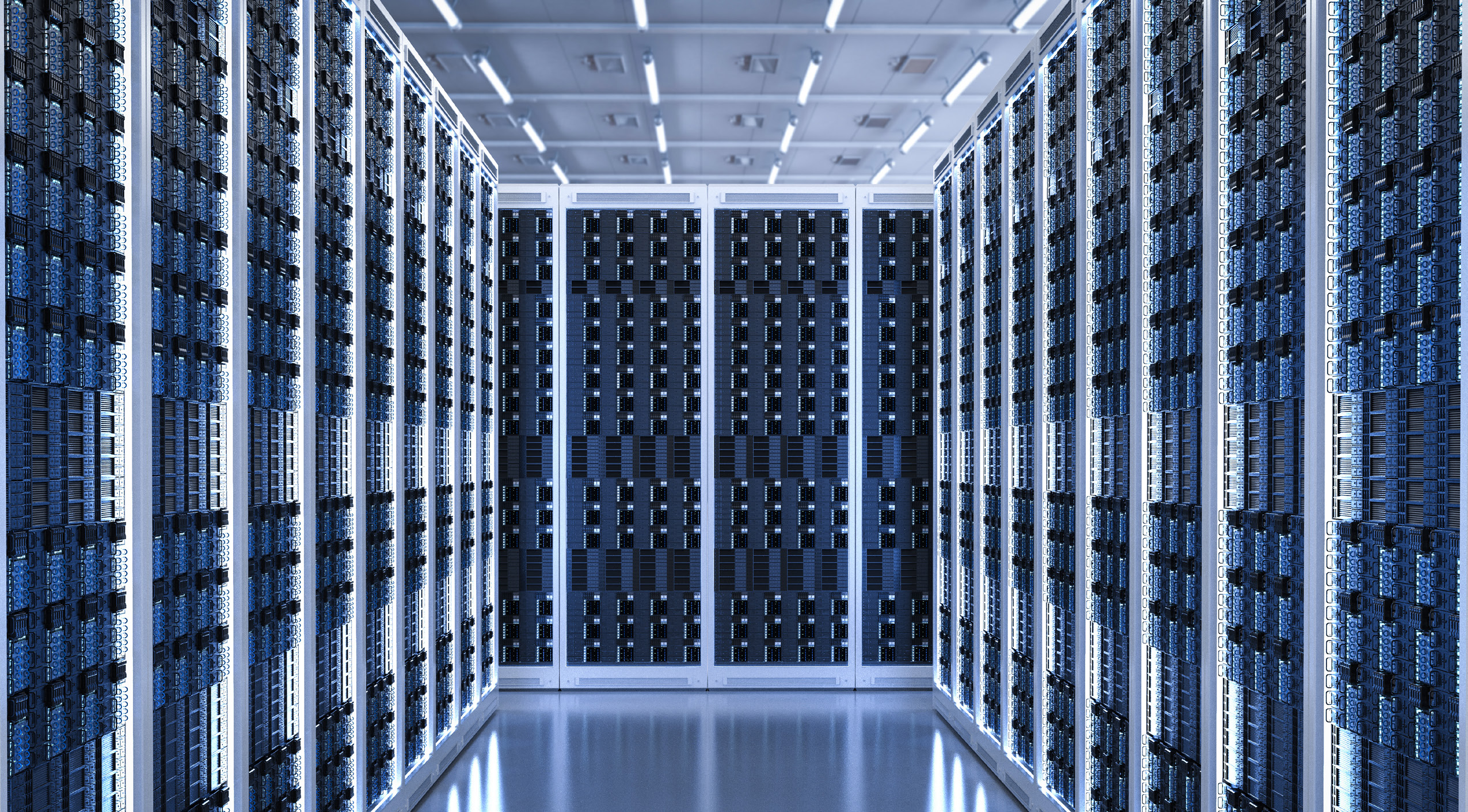
AI infrastructure has changed what sits inside the rack. What was once primarily a cabinet of servers can now be an integrated system incorporating high-density compute, direct-to-chip cooling, rear-door heat exchangers, coolant distribution units (CDUs), manifolds, fluid and the equipment needed to move it.
In short, data centres are getting heavier.
Some larger liquid-cooled accelerated-computing cabinets can reach over 3,600kg. For operators, developers and designers, this makes weight an increasingly important infrastructure consideration. Understanding what equipment weighs, where that weight is concentrated and how it will move through the facility needs to happen early in the design process.
Greater Demands on Floors and Ceilings
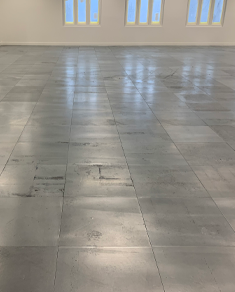
For data centre designers, this puts more emphasis on the infrastructure around the rack. Underfloor space may need to accommodate cooling distribution alongside other services, while busways, cable trays, fibre, containment, lighting, fire protection and sensors compete for space overhead. By offering accessibility and adaptability, raised access flooring is fast becoming gold standard across the industry. Raised access floors and optimised overhead infrastructure work together to allow for higher concentrated loads while providing clear routes for power, cooling and services, and maintaining access as requirements change.
In specifying weight-bearing raised access flooring, we must look at more than a room’s average load. A rack does not distribute its weight evenly – casters, feet, frame rails and other contact points can create significantly higher local forces. Movement matters too. Equipment may need to roll across panels, cross seams, turn or wait in staging areas before reaching its final position.
The figures illustrate the scale of the change. A traditional server rack might weigh roughly 400 to 540kg, while today’s fully loaded AI racks can exceed 1,300kg.
Taking a whole-system approach is therefore critical. Designers need to understand more than whether a floor can support a particular rack in its final position, instead considering its operating weight, footprint, route into the data hall and how loads are transferred through the floor to the structure below. Overhead, they need to account for the growing network of power, cooling and other services required to support it.
The Challenge for Existing Data Centres
The challenge can be even greater when upgrading existing facilities for higher-density compute.
A facility designed around previous generations of IT may not have been engineered for today's combination of heavier racks and liquid cooling systems. Looking only at room-average loading can hide the local demands created beneath individual pieces of equipment.
Cooling adds another dimension. A CDU, for example, may weigh considerably more once operating than its dry weight suggests because the full system includes fluid as well as pipes, valves, supports and associated equipment. 60 combined metres of 25cm supply and return pipe can contain approximately 3,000kg of water alone, before accounting for the pipework, valves, insulation or supports.
That makes early coordination particularly important in retrofit projects. Teams need to understand not only whether new equipment can be installed, but how it reaches its final position, where cooling components will sit and how each load ultimately transfers to the building structure. Getting those decisions right earlier can help reduce installation surprises, enable safer equipment moves and maintain better access to cooling infrastructure once the data hall is operational.
Ready for the Next Rack
The challenge is not simply accommodating today's heavier equipment. Facilities also need to consider what could replace it.
AI rack density has increased quickly, and the infrastructure requirements associated with future platforms continue to evolve. Designing too closely around one generation of equipment risks creating constraints when the next arrives.
That changes the role of floors and ceilings. Rather than passive parts of the building, they can become adaptable infrastructure platforms that help organise power, cooling and data services while allowing equipment to be accessed, maintained and changed. There is no single floor or infrastructure configuration that will suit every AI deployment. What matters is understanding the actual loads involved, how those loads interact with the building and how requirements could change over the life of the facility.
For decision-makers, the message is straightforward: power density is no longer enough to describe the demands AI places on the data centre. Weight matters too. Planning for it early can help create facilities that are safer to operate, easier to adapt and better prepared for the next generation of AI infrastructure.
Explore what increasing density means for the data centre in Tate’s recent whitepaper, AI Has Outgrown the Data Center by Bill Kleyman, Contributing Editor of Data Center Programs at Informa and CEO/Co-Founder of Apolo.