


As the construction industry accelerates towards a more circular future, access to clear, reliable material information has never been more important. At Tate, we are committed to supporting our customers in designing buildings that are adaptable, resource-efficient, and ready for the challenges of tomorrow. One of the key tools helping to make this possible is the Material Passport.
What is a Material Passport?
A Material Passport is a digital record that gathers and organises detailed information about the materials used within a product or building system. In the context of raised access floors, a Material Passport documents what the system is made of, how those materials perform environmentally, and how they can be recovered, reused, or recycled at the end of their service life.
Given that around 80% of buildings that exist today are expected to still be in use by 2050, the ability to maximise the value of materials already in circulation is critical. Material Passports help ensure that today’s construction products do not become tomorrow’s waste.
Tate raised access floors with Material Passports
Tate has been awarded Material Passports by 2050 Materials for a range of raised access floor products, recognising the robustness and transparency of the material data provided.
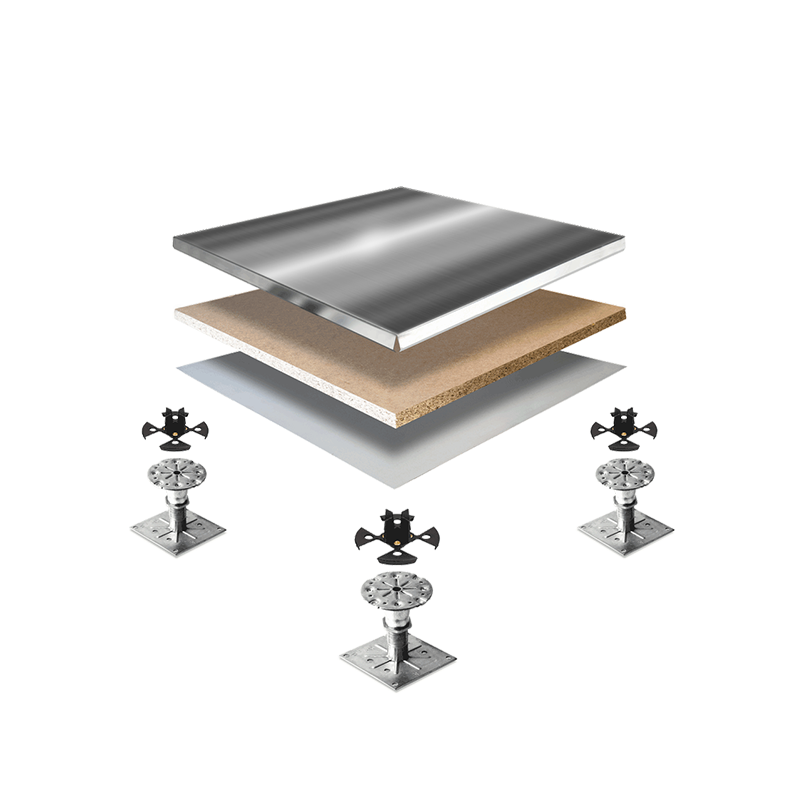
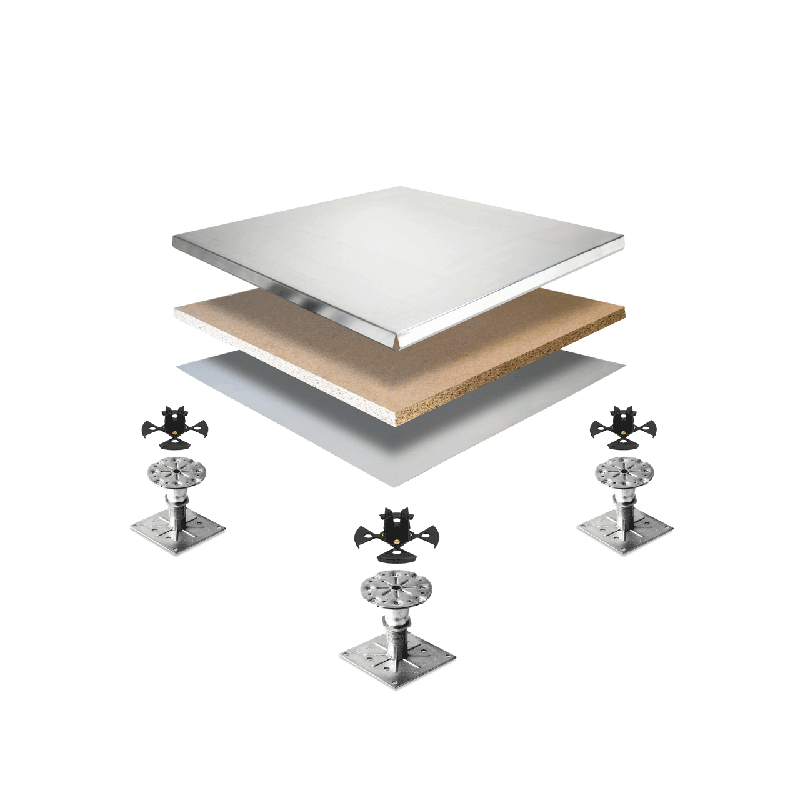
The following Tate raised access floor systems are currently supported by Material Passports:
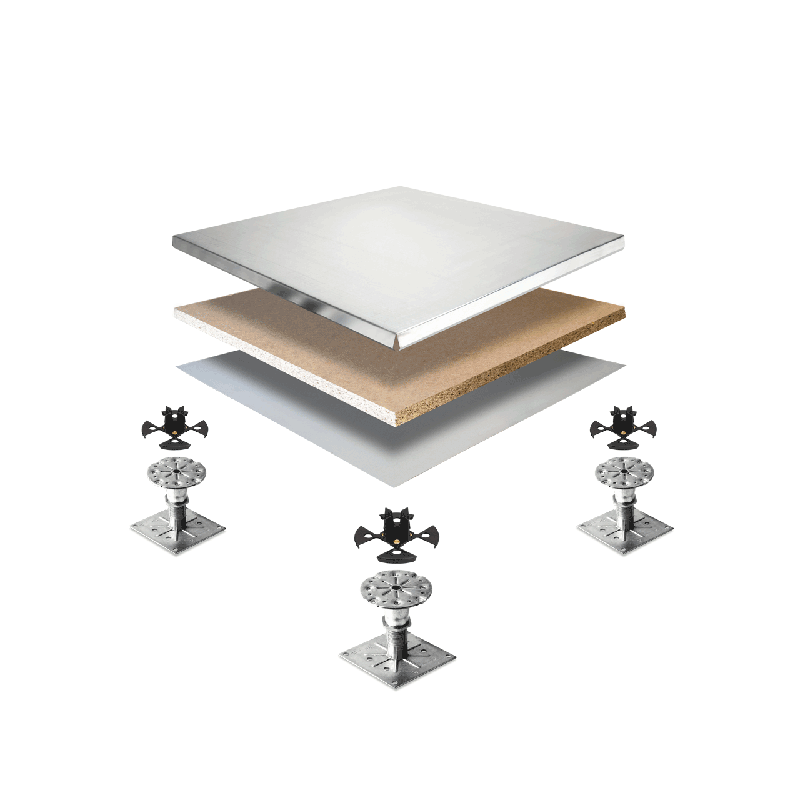
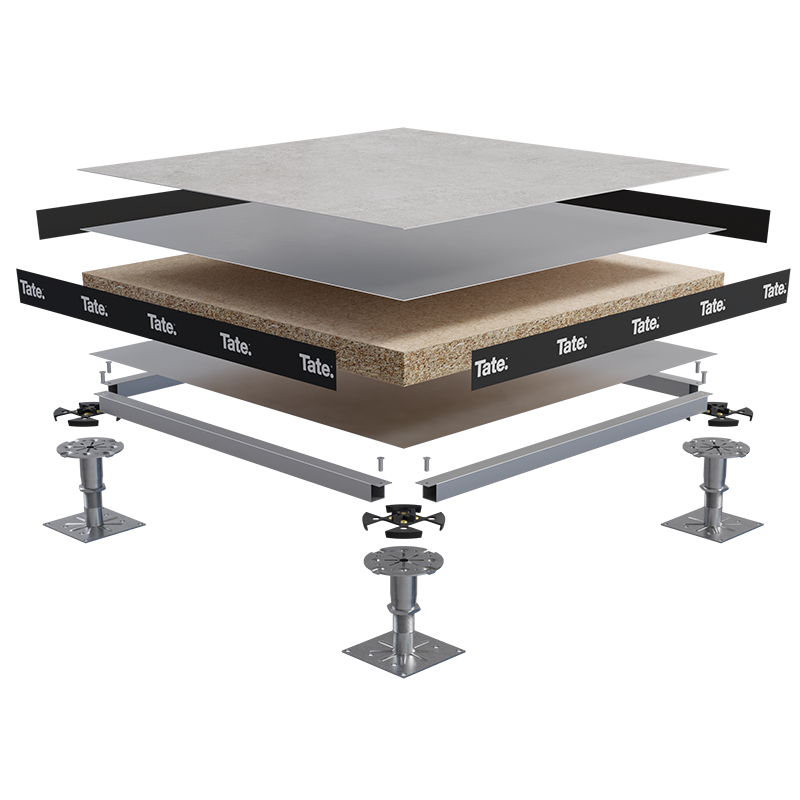
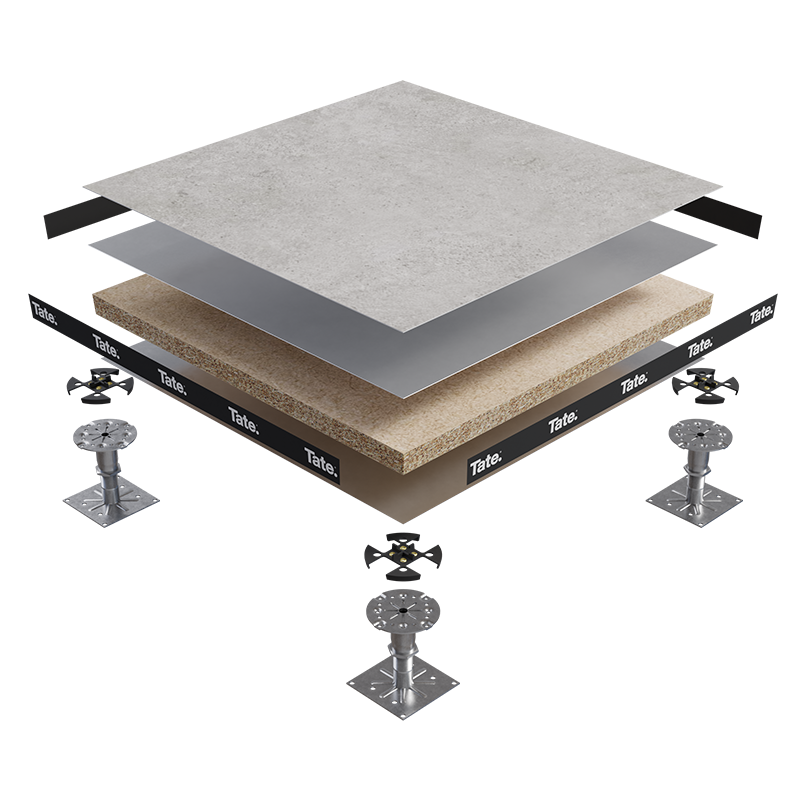
How Material Passports Benefit You
For you, Material Passports deliver tangible, long-term value:

Improved circularity planning

Greater transparency and confidence

Support for ESG and regulatory requirements

Future-ready buildings
Recognised by 2050 Materials
The award of Material Passports by 2050 Materials for many of Tate’s raised access floors marks an important milestone in our circular economy journey. It reflects our commitment to providing accessible, high-quality data that enables smarter, more sustainable decisions across the built environment.
Looking ahead
Material Passports are not an endpoint; they are a foundation. As standards and circular construction practices continue to evolve, Tate will continue working with our partners and customers to improve transparency, increase material recovery, and reduce environmental impact.