



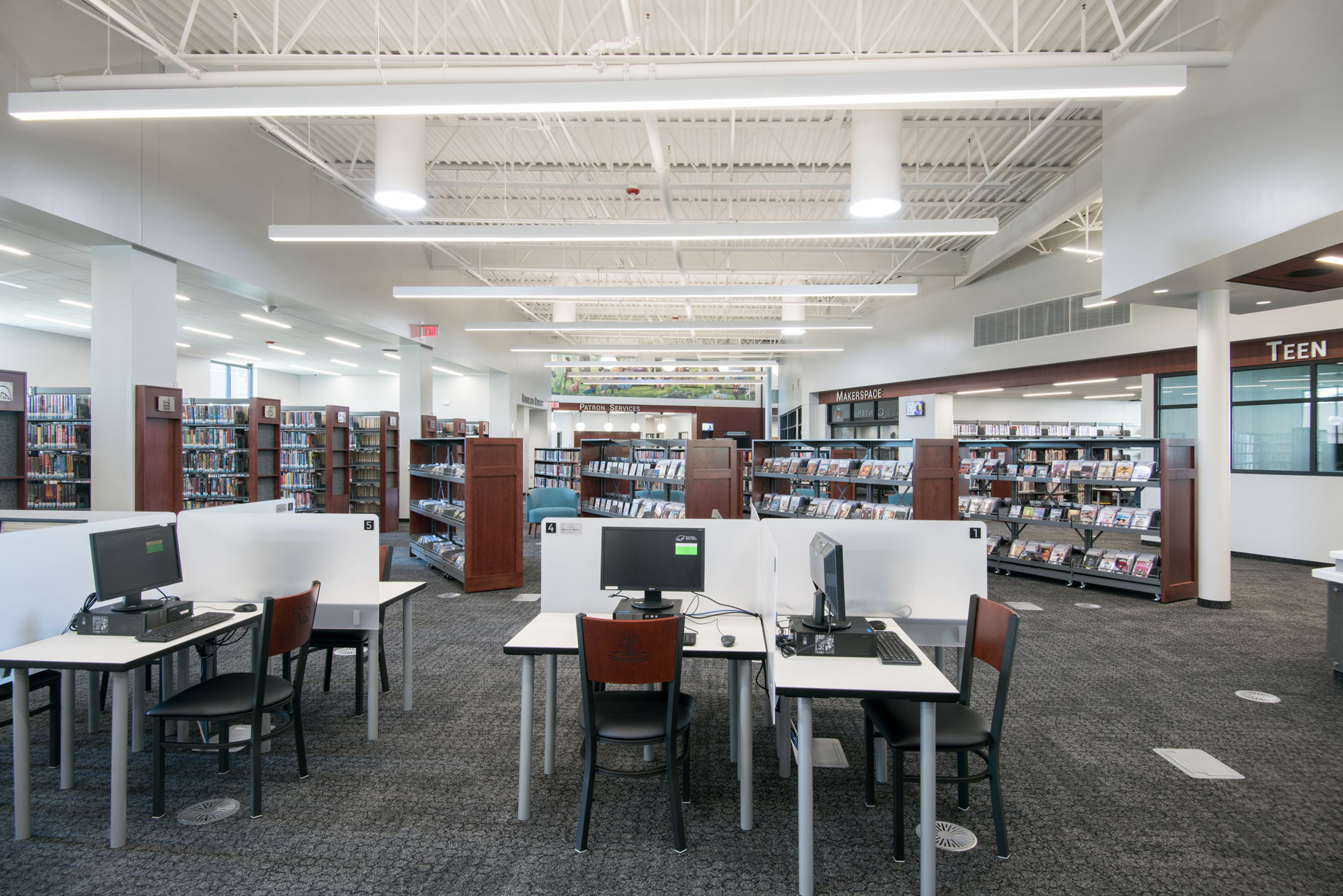
Raised Access Floors Reclaim Volume and Value in Modern Construction
Executive Summary
As real estate development becomes increasingly competitive, space efficiency and structural optimization are paramount to maximizing value. Raised Access Flooring (RAF) offers a strategic opportunity to reduce ceiling plenum depth, increase usable interior height, and enable more profitable floor configurations. This white paper examines how RAF systems enhance spatial efficiency in commercial, institutional, and high-density urban construction, while supporting performance, sustainability, and aesthetics.
The Space Constraint Challenge in Construction
In dense urban environments and high-rise developments, maximizing rentable square footage and floor count can determine a project’s financial success. However, conventional ceiling-based infrastructure (HVAC ducts, cable trays, sprinkler systems) demands large plenum depths, leading to:
- Reduced ceiling height in interior spaces
- Increased overall building height and structural cost
- Limits on adding extra floors within zoning height restrictions
- Constrained interior design and lighting options
Modern buildings must do more with less volume. Raised Access Flooring shifts key infrastructure from overhead to underfoot, providing a compact and flexible solution to overcome these challenges.
How Raised Access Flooring Reclaims Space
RAF systems consist of modular panels elevated above the structural slab to create an underfloor plenum. This space can efficiently house:
- Power and data cabling
- HVAC ductwork via Underfloor Air Distribution (UFAD)
- Plumbing and sprinkler systems
- Audio-visual and building automation infrastructure
By relocating systems below the floor, overhead congestion is eliminated. The total floor-to-ceiling height can be maintained while reducing the floor-to-floor height—creating opportunity for:
- Adding more stories within the same vertical envelope
- Increasing ceiling heights for better daylight penetration and interior volume
- Reducing the height of the building for material and labor savings
Design and Performance Advantages
|
Design Benefit |
Impact |
|
Higher Ceilings |
Enhances occupant comfort, supports biophilic design |
|
More Floors |
Increases leasable/rentable square footage in the same total building height |
|
Reduced Structural Loads |
Less structural steel and concrete due to shorter building height |
|
Improved Daylighting |
Taller windows allow more natural light, reducing lighting loads |
|
Design Flexibility |
Ceiling freed from ducts = more architectural and lighting options |
Case Example: Urban Office Tower
A commercial office developer in a major U.S. city utilized Raised Access Flooring with UFAD in a 20-story building. By eliminating overhead ductwork and consolidating infrastructure under the floor, each story was designed with a 10-foot floor-to-floor height instead of 12 feet. The result:
- Two additional rentable floors within the same zoning height
- Higher interior ceilings (9 feet clear)
- Savings of $1.2M in structural materials
- 7% increase in rentable square footage
The project achieved LEED Gold certification and leased 20% faster than comparable nearby developments.
Sustainability and Energy Efficiency Synergy
RAF systems not only enable better space usage but also contribute to green building goals:
- Lower Embodied Carbon: Fewer materials required for structure
- Energy Savings: UFAD systems are 20–30% more efficient than overhead air delivery
- Improved Indoor Air Quality: Air supplied directly to the occupied zone
- Compatibility with LEED/WELL: Supports credits for energy, air quality, and thermal comfort
Implementation Considerations
- Early Design Integration: Collaborate with MEP engineers and architects early to optimize plenum coordination
- Floor Height Planning: RAF height typically ranges from 6 to 18 inches; adjust slab-to-slab spacing accordingly
- Mechanical System Compatibility: Coordinate with UFAD or underfloor service requirements
- Maintenance Protocols: Ensure facility teams are trained on underfloor access and change management
Conclusion
Tate® Raised Access Flooring is a space-optimizing solution that redefines how infrastructure is integrated within modern buildings. By reclaiming plenum height and shifting services underfoot, developers and designers can increase interior volume, reduce construction cost, and unlock additional floors within tight vertical envelopes. The result is not just better buildings, but smarter, more profitable, and more sustainable ones.
To learn more about how Tate’s raised access flooring solutions can improve your project’s efficiency and value, visit www.tateglobal.com.