



 AMER
Insights & Resources
News Releases & Featured Articles
Tate's St. Paul Facility Launches Rainwater Harvesting Project to Support Local Fire Department
AMER
Insights & Resources
News Releases & Featured Articles
Tate's St. Paul Facility Launches Rainwater Harvesting Project to Support Local Fire Department
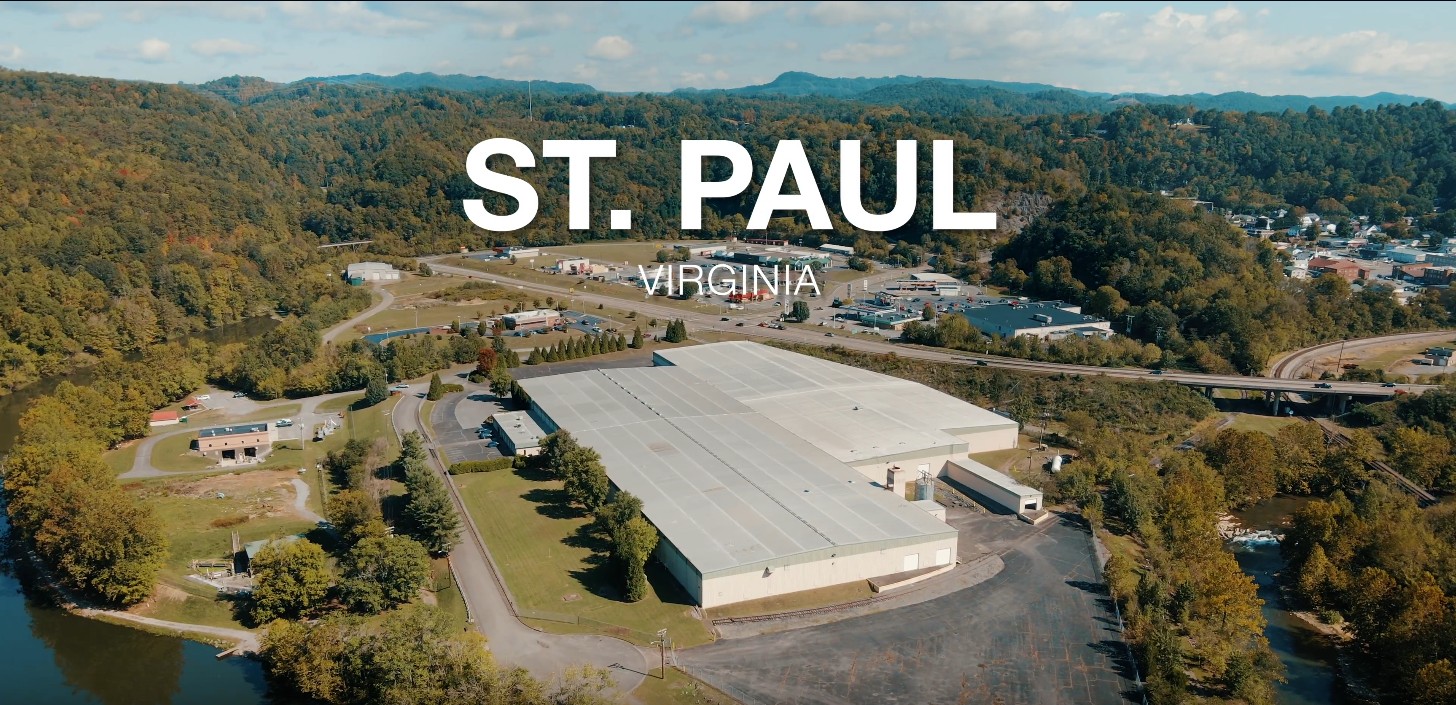
Tate’s St. Paul, Virginia manufacturing facility is investing in a new 36,000-gallon rainwater harvesting system that will provide much-needed water to the St. Paul Fire Department, supporting emergency response efforts throughout the community.
On track for installation in fall 2026, the new rainwater tank is expected to collect approximately 30,000 gallons of rainwater each month, enough to fulfill the Fire Department's typical water needs for emergency response and regular training activities while reducing its reliance on potable water.
The project began as part of Kingspan’s Planet Passionate initiative, a 10-year program that aims to make progress on three big global issues: climate change, circularity, and protection of the natural world. As part of the program, Kingspan Group plans to harvest 100 million liters of rainwater across all its facilities by 2030.
With St. Paul located in southwest Virginia, an area that receives an average of about 48 inches of rainfall each year, Tate Sustainability Coordinator Emma Johnson knew there was untapped potential for the facility to contribute significantly to the Planet Passionate rainwater harvesting target.
"The large surface area of the roof at the St. Paul facility means we have the potential to collect a great deal of water," said Johnson, who helped develop the project's initial concept. "Since there wasn't a manufacturing use for the water in St. Paul, we started looking at ways to give it back to the community."
Several ideas were considered, but conversations with community members in St. Paul quickly revealed the Fire Department’s need for additional water resources. Within minutes, the Tate team was able to secure an in-person meeting with town managers and Fire Department officials, and over the next few weeks, the team gathered data on the Fire Department’s water usage and determined how much rainwater could be collected at the St. Paul facility. From those data, the team calculated that St. Paul has the potential to contribute 34 percent of Kingspan Data Solutions' divisional rainwater collection target for 2027 under typical precipitation rates.
After the project was approved and a plan was in place, Tate engineer Adiba Asad took the lead on bringing it to life, coordinating the preparation of the site for installation together with maintenance manager Jim Payne. Once installed, the tank will be located at the side of the St. Paul facility, positioned to capture rain runoff from the facility’s roof and to allow easy access for the fire trucks that will withdraw water from the tank as needed.

Technology will play an important role in the project's success, Asad explained. Tate's engineering and maintenance teams worked together to create a web-based monitoring system that will track both the amount of water collected and the amount withdrawn from the tank. Automated alerts will notify firefighters when sufficient water is available for collection while enabling the team to measure the project’s impact over time.
Beyond supporting the local community, the rainwater harvesting system will improve resource efficiency on site. Capturing rainwater helps address existing stormwater management challenges while reducing the amount of water that would otherwise leave the property unused.
By turning rainfall into a shared community resource, the St. Paul team has created a practical solution that conserves water, strengthens connections with the local community, and advances sustainability goals.